Category Archives: Music Tech News

All the hot news on music technology from around the world.

Discover Polyvera: the revolutionary wavetable synthesizer blending vintage digital charm with modern analog warmth for unique sound design

Polyvera Synth Unleashes Digital Past Magic

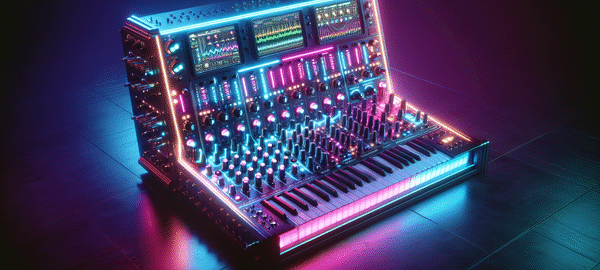
A revolutionary wavetable synthesizer emerges, blending vintage digital grit with modern warmth. In a world where synth designers chase the latest innovations, Suonobuono’s Polyvera takes a bold step backward to move forward. This intriguing approach reminds me of the recent developments in music technology policy, where understanding our past shapes our future. Back at CCRMA, I spent countless hours exploring wavetable synthesis, often losing track of time as I dove deep into sound design. The Polyvera’s interface brings back memories of those late-night experimental sessions where digital artifacts became happy accidents. Wavetable Synthesis Reborn: The Polyvera RevolutionThe Polyvera wavetable synthesizer stands as a testament to thoughtful design, featuring six voices of vintage-inspired digital oscillators paired with modern analog filters. With 36 potentiometers and dual OLED displays, it’s a sound designer’s playground that begs to be explored.By reverse-engineering legendary instruments from Akai, PPG, and Ensoniq, Suonobuono has captured the essence of ’80s digital synthesis. The dual oscillator system offers unique flexibility – Oscillator 1 rocks wavetables with a sub-oscillator, while Oscillator 2 switches between wavetable and sampler modes.The magic happens when signals flow through eight filter types, including self-oscillation and analog post-filter distortion. This hybrid approach, combining digital grittiness with analog warmth, creates a distinctive sonic character that’s both nostalgic and forward-thinking. Shape Tomorrow’s Sound TodayThe Polyvera isn’t just another synthesizer – it’s a bridge between digital heritage and modern sound design. Whether you’re a veteran synthesist or just starting your journey into electronic music, this instrument offers endless possibilities. What sonic territories will you explore with this powerful fusion of past and future? Share your thoughts and let’s dive into the world of hybrid synthesis together. Quick FAQ GuideWhat makes the Polyvera synthesizer unique?The Polyvera combines six voices of vintage-inspired digital oscillators with modern analog filters, offering both wavetable synthesis and sampling capabilities in one hybrid instrument.Can I load my own samples into the Polyvera?Yes, the Polyvera allows users to load custom wavetables and samples directly into the device, plus sample audio from external sources through its inputs.How many filter types does the Polyvera offer?The Polyvera features eight different filter types, including self-oscillation and a low-pass filter with analog post-filter distortion, based on a classic analog filter chip design.


Music industry innovation peaks as Music Tectonics reveals four groundbreaking startup finalists transforming artist-fan relationships

Music Tectonics Startup Contest Ignites Innovation

Four groundbreaking startups are about to revolutionize the music industry forever. The future of music technology stands at a thrilling crossroads, as Music Tectonics reveals its highly anticipated startup finalists for 2025. Following my recent coverage of Spotify’s revolutionary AI policy changes, this competition showcases how entrepreneurial innovation continues to reshape our industry’s landscape. Having worked at Stanford’s CCRMA with countless music-tech innovators, I’ve witnessed firsthand how a single breakthrough can transform the entire industry. These finalists remind me of my own journey developing soundscape devices – each driven by that magical fusion of technical expertise and creative vision. Revolutionary Music Tech Startups Shape Industry’s FutureThe Music Tectonics competition has unveiled four exceptional finalists who are revolutionizing the music industry. Music League leads the pack with their innovative platform that transforms music discovery into an engaging competitive experience, allowing users to share favorites while competing with friends.The contest showcases diverse innovation across the music industry spectrum. One finalist focuses on streamlining music marketing processes, while another introduces an educational platform leveraging authentic music for enhanced student learning through interactive lessons and games.Perhaps most intriguingly, finalist ‘sesh’ presents an automated fan community management solution that promises to revolutionize artist-fan relationships. The platform enables musicians to focus on creating while their fan communities grow organically. The winner will be crowned at the November conference in Santa Monica. Innovation Needs Your VoiceThe music industry stands on the brink of transformation, and these startups are just the beginning. What groundbreaking music technology would you create? Share your vision in the comments below – your idea might inspire the next wave of innovation. Remember, today’s wild dream could be tomorrow’s industry standard. Music Industry Innovation FAQQ: How are music tech startups changing the industry in 2025?A: Music tech startups are revolutionizing artist-fan relationships, music discovery, and education through AI-powered platforms, competitive social features, and automated community management tools.Q: What is the Music Tectonics Startup Contest?A: It’s a prestigious competition showcasing innovative music technology startups, with four finalists competing for the top prize at the November 2025 conference in Santa Monica, California.Q: How can musicians benefit from these new music technologies?A: Musicians can automate fan community management, enhance music marketing, and create new revenue streams through innovative platforms developed by these startups.

Spotify unveils revolutionary new music policy for AI-generated content, introducing transparency labels and spam filters for enhanced listening.

Spotify Launches Groundbreaking AI Music Policy

Spotify just revolutionized how we discover new music through artificial intelligence. The music streaming giant is taking bold steps to protect artists and listeners alike. As AI-generated content floods platforms, Spotify’s latest policy changes promise unprecedented transparency. Just like OpenWav’s recent streaming revolution, this marks a pivotal moment in digital music history. As a composer who’s experimented with AI tools, I’ve witnessed both their creative potential and ethical challenges. Last month, I discovered an AI-generated track mimicking my vocal style on a playlist. That experience made me deeply appreciate Spotify’s move toward transparency and artist protection. How Spotify’s AI Music Policy Changes EverythingIn a groundbreaking announcement, Spotify unveiled its comprehensive AI music policy that’s set to reshape how we consume new music. The platform will implement DDEX, an industry standard for identifying AI-generated content in music credits, offering unprecedented transparency about how AI is used in production.The changes don’t stop there. Spotify’s introducing a sophisticated spam filter to combat the surge of AI-generated content flooding the platform. With more than 30,000 AI-generated tracks uploaded daily to streaming services, this filter will help maintain quality while protecting authentic artists.Perhaps most significantly, Spotify’s taking a firm stance against unauthorized AI voice clones and deepfakes. The platform has received commitments from 15 major labels and distributors to adopt these new standards, marking a collective step toward ethical AI music creation. Shape Tomorrow’s Music LandscapeThe future of music creation stands at a crossroads between human artistry and artificial intelligence. Whether you’re a creator or listener, your voice matters in this evolution. How do you envision AI’s role in music? Share your thoughts and experiences with using AI in music – let’s build this new chapter together. Quick FAQ About AI MusicHow will Spotify identify AI-generated music?Spotify will use the DDEX system, where labels and distributors submit standardized AI disclosures in music credits, detailing AI usage in vocals, instrumentation, or post-production.What happens to unauthorized AI voice clones?Spotify will remove all unauthorized AI voice clones, deepfakes, and vocal replicas from the platform to protect artists’ rights and authenticity.How many AI-generated tracks are uploaded daily?Currently, streaming services receive over 30,000 AI-generated tracks daily, representing approximately 18% of all new music uploads.

Spotify Premium's distinction evolves as free users gain song selection freedom, transforming music streaming accessibility worldwide

Spotify Premium Unlocks Free Music Selection

Spotify just revolutionized free listening forever, unleashing unlimited song selection worldwide.

In a groundbreaking move that follows their recent smart filter revolution, Spotify is transforming how free users experience music. The streaming giant’s latest update demolishes traditional barriers, offering unprecedented freedom in song selection and playback control.

As a performer who’s shared stages from the Royal Opera House to TED talks, I’ve witnessed how streaming restrictions can stifle creative expression. I remember trying to share my Madonna collaboration tracks with students, only to face the frustrating shuffle-only limitation.

Spotify’s Game-Changing Free Access Revolution

In an unprecedented move, Spotify has announced that free users globally can now search and play any song they want. This revolutionary update introduces three game-changing features: Pick & Play, Search & Play, and Share & Play.

The transformation means free users can finally break free from shuffle-only restrictions on mobile devices. While there’s still a daily ‘on-demand time’ limit with restricted skips afterward, this marks a seismic shift in Spotify’s approach to free listening. Out of Spotify’s massive 696 million monthly active users, 433 million are free, ad-supported customers.

Behind this bold move lies Spotify’s strategic push to boost ad revenue, which currently sits at 11% of total revenue. CEO Daniel Ek aims to increase this to 20%, and these new features could significantly boost free user engagement. Premium features like lossless audio, AI Playlists, and Mix will remain exclusive to paying subscribers.

Transform Your Listening Experience Today

This groundbreaking update reshapes how we experience music streaming. Whether you’re a casual listener or an aspiring artist, Spotify’s new free features open doors to unlimited musical exploration. Ready to test these new features? Share your experience – what’s the first song you’ll play with your newfound freedom?


Quick FAQ Guide

Q: What are Spotify’s new free user features?
A: Free users can now search and play any song they want, pick specific tracks, and play songs shared by friends or artists on social media.

Q: Are there any limitations to the new free features?
A: Yes, free users have a daily ‘on-demand time’ limit, after which they’ll face restricted skips per hour. Premium users don’t have these restrictions.

Q: How many Spotify users will this affect?
A: This update impacts 433 million free, ad-supported users out of Spotify’s total 696 million monthly active users.

Discover Polyvera, the revolutionary wavetable synthesizer blending vintage digital charm with modern analog warmth for unique sound design

Polyvera Synth Blends Digital Past with Future

A revolutionary wavetable synthesizer emerges, fusing vintage digital grittiness with modern warmth.

The synthesis world just got a game-changing addition that’s turning heads. Suonobuono’s Polyvera wavetable synthesizer masterfully bridges retro digital charm with contemporary sophistication. While innovative tools keep pushing boundaries, as we saw with the emergence of AI-driven music creation, this hybrid beast carves its own unique path.

The announcement instantly transported me back to my days at Stanford’s CCRMA, where I spent countless hours crafting soundscapes with vintage digital synths. The way Polyvera recreates those beloved ’80s artifacts while adding modern flexibility feels like meeting an old friend who’s gotten a fantastic makeover.

Inside Polyvera’s Groundbreaking Wavetable Synthesis

Boutique manufacturer Suonobuono has unveiled their masterpiece after four years of meticulous development. The Polyvera wavetable synthesizer boasts six voices of vintage-inspired digital oscillators paired with modern analog filters, creating an unprecedented sonic palette.

At its core, Polyvera features two oscillators with distinct personalities – one dedicated to wavetables with a sub-oscillator, while the other switches between wavetable and sampler modes. The synth’s 36 potentiometers and dual OLED displays invite deep sound design exploration, while its modulation matrix adds incredible flexibility.

What sets Polyvera apart is its authentic recreation of digital artifacts from legendary ’80s synths. By reverse-engineering classics from Akai, PPG, and E-MU, developers achieved that coveted vintage grittiness while maintaining modern fidelity. The resonant analog filter section, with eight types including self-oscillation, adds the perfect finishing touch.

Shape Tomorrow’s Sound Today

Whether you’re a vintage synthesis enthusiast or a modern producer seeking unique textures, Polyvera offers an exciting new palette for sound design. Get hands-on with this remarkable fusion of past and future at the Roma Modulare fair this month. What classic synth sounds would you love to recreate with modern flexibility? Share your dream combinations below!


Your Polyvera FAQ Guide

What makes Polyvera different from other wavetable synthesizers?

Polyvera uniquely combines authentic ’80s digital artifacts with modern analog filters, offering six voices of polyphony and dual oscillators that can function as both wavetable and sampler.

Can I load my own samples into Polyvera?

Yes, Polyvera allows direct loading of user wavetables and samples, plus the ability to sample audio through its external inputs for maximum creative flexibility.

What kind of filter section does Polyvera offer?

Polyvera features a resonant analog filter with eight different types, including self-oscillation and low-pass with analog post-filter distortion, based on a classic analog filter chip design.

OpenWav revolutionizes music streaming with 80% artist revenue share, direct fan connections, and AI tools. A game-changer for independent artists.

OpenWav Redefines Music Streaming Forever

Revolutionary music streaming app OpenWav empowers artists to reclaim their financial destiny.

The broken music streaming model needs a dramatic overhaul. With artists earning mere pennies per million streams, the system has failed creators. Recently, even Spotify’s latest features haven’t addressed the core revenue problem. But a bold new platform aims to flip the script.

As a performer who’s released music on major streaming platforms, I know the frustration of seeing minimal returns despite millions of plays. I once earned just $12 from a track that took months to produce and promote. The current model simply isn’t sustainable for independent artists like myself.

How OpenWav is Revolutionizing Music Streaming

Get ready for a seismic shift in how artists earn from music streaming. OpenWav, a groundbreaking new platform launched this summer, is putting the power back in creators’ hands. The app’s chief creative officer, Grammy winner Wyclef Jean, didn’t mince words when he called out the industry’s broken model at the Fortune Brainstorm Tech conference.

The numbers tell a shocking story – artists need a million streams on Spotify just to earn $3,000. That’s why OpenWav is building a direct-to-fan approach where artists keep 80% of ticket sales and can sell merch with zero upfront costs. The platform also gives creators full ownership of their audience data, including emails and phone numbers.

Looking ahead, OpenWav plans to integrate AI tools that act like a virtual manager, suggesting tour locations and merch ideas. They’ll also provide features for creating album art and lyric videos. The focus is on helping independent artists build sustainable careers by connecting directly with true fans willing to support their work.

Transform Your Music Career Today

The music streaming revolution is here, and it’s time to take control of your artistic destiny. Whether you’re an emerging indie artist or an established creator, OpenWav’s innovative platform offers a path to sustainable success. Ready to break free from the traditional streaming model? Share your thoughts on this game-changing approach in the comments below.


Quick FAQ About Music Streaming

How much do artists earn from traditional music streaming?

On platforms like Spotify, artists typically earn between $0.003 to $0.005 per stream. This means they need approximately 1 million streams to earn $3,000.

What percentage do artists keep on OpenWav?

OpenWav allows artists to keep 80% of ticket sales revenue and offers zero upfront costs for merchandise sales with global dropshipping capabilities.

How does OpenWav differ from traditional streaming platforms?

OpenWav provides direct-to-fan connections, audience data ownership, integrated merchandising, and AI-powered career guidance tools, unlike traditional platforms that only offer basic streaming services.

AIAIAI revolutionizes DJ performance with wireless headphones offering 20-hour battery life and ultra-low latency for precise mixing

AIAIAI Unleashes Revolutionary Free-Moving DJ Headphones

Finally, DJs can break free from those tangled cables that limit their creative flow.

In a groundbreaking move that will transform DJ performances forever, AIAIAI has unveiled their first truly wireless DJ headphones. Much like how AI recently revolutionized dance music, these headphones are set to redefine how DJs interact with their craft.

As someone who’s performed countless shows, I can’t count the times I’ve nearly yanked my laptop off the DJ booth because of tangled headphone cables. One particularly memorable incident at a London club had me doing an impromptu dance move to catch my falling equipment!

Revolutionary Wireless DJ Headphones Transform Live Performance

Danish audio innovator AIAIAI has just dropped their game-changing TMA-2 DJ Wireless headphones, and they’re not just another pair of free-moving cans. These beauties pack an impressive 20-hour battery life and charge fully in just two hours – perfect for those marathon festival sets.

What sets these headphones apart is their ultra-low latency wireless technology, ensuring precise beatmatching and seamless mixing. Weighing just 217g, they’re designed for comfort during those extended sessions behind the decks. The 40mm bio-cellulose diaphragm delivers crystal-clear sound with punchy bass and crisp treble that cuts through the loudest venues.

According to AIAIAI founder Frederik Jorgensen in this exciting announcement, these headphones represent their commitment to ‘remove limitations for music creation and performance.’ Plus, anyone who bought TMA-2 headphones in the last decade can upgrade their units, showing AIAIAI’s dedication to sustainability.

Ready to Break Free?

The future of DJing is wireless, and AIAIAI’s TMA-2 DJ Wireless headphones are leading the charge. At £250, they’re an investment in freedom of movement and reliable performance. Are you ready to cut the cord and experience unrestricted creative flow? Share your thoughts on wireless DJ gear – I’d love to hear about your experiences with cable-free mixing!


Quick FAQ Guide

How long do AIAIAI’s wireless DJ headphones last?

The TMA-2 DJ Wireless headphones offer 20 hours of battery life on a single charge, with a full recharge taking just 2 hours.

Are wireless DJ headphones reliable for professional use?

Yes, AIAIAI’s TMA-2 DJ Wireless uses ultra-low latency technology to ensure precise beatmatching and mixing, making them suitable for professional DJ performances.

What’s the wireless range of the TMA-2 DJ headphones?

The TMA-2 DJ Wireless headphones have a 10-meter wireless range, allowing DJs plenty of freedom to move around their setup.

Master YouTube Analytics to boost your music channel's growth. Learn four key metrics that will transform your audience engagement and revenue.

Master YouTube Analytics to Amplify Your Music

YouTube Analytics holds the secret key to unlocking your music’s true audience potential.

In the ever-evolving digital music landscape, understanding your audience data is crucial. Recently, YouTube shared a groundbreaking analytics guide that’s transforming how artists connect with fans. Much like how Spotify’s smart filters revolutionized playlist management, these YouTube insights are reshaping artist strategies.

As a performer who’s transitioned from opera houses to digital platforms, I’ve learned that numbers tell stories. Last month, my cover of a French aria unexpectedly gained traction in Japan – all because I paid attention to watch time metrics and adjusted my posting schedule accordingly.

Unleashing YouTube Analytics Power for Musicians

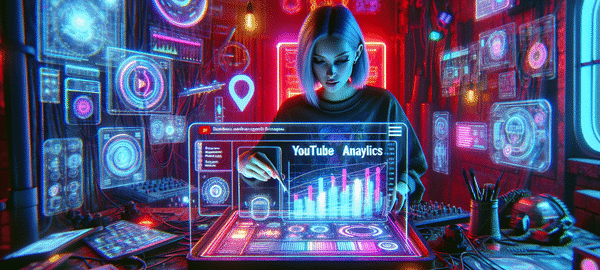
In an exciting development for artists everywhere, YouTube has released a comprehensive analytics guide that’s changing the game for musicians. The platform highlights four essential metrics that could transform your channel’s success: views, watch time, subscribers, and revenue.

Views remain the foundation of YouTube success, showing how many times your content gets clicked. But watch time emerges as the true golden metric, revealing how long viewers stay engaged with your content. High watch time signals deeper fan investment, potentially leading to better algorithmic recommendations.

Subscriber growth provides crucial insights into which content converts casual viewers into loyal fans. Revenue analytics complete the picture, showing earnings from ads, channel memberships, and Super Thanks. Cross-referencing these metrics helps identify your most profitable content formats and guides future creative decisions.

Transform Your Channel’s Future

Ready to revolutionize your YouTube presence? Start by diving into your analytics dashboard today. Track which videos keep viewers watching longest, experiment with different content types, and build your strategy around what works. Share your analytics success stories below – what metrics surprised you the most?


Quick YouTube Analytics FAQ

What is the most important YouTube metric for musicians?

Watch time is the most crucial metric, as it indicates genuine audience engagement and influences YouTube’s recommendation algorithm more than view counts.

How often should I check my YouTube Analytics?

Review your analytics weekly to track performance trends and make timely content adjustments. Focus on the last 28 days for the most actionable insights.

Can YouTube Analytics help increase revenue?

Yes, analytics can identify your most profitable content types and optimal posting times, helping increase ad revenue by up to 30% through strategic content planning.

Spotify Premium revolutionizes music organization with smart filters, allowing subscribers to sort content by mood, activity, and genre.

Spotify Premium Unleashes Smart Filter Revolution

Spotify Premium subscribers, your music library is about to become magically organized.

In a groundbreaking move that echoes the recent AI-driven music evolution, Spotify Premium is revolutionizing how we interact with our music libraries. The streaming giant’s latest feature introduces smart filters that promise to transform the way we discover and organize our favorite tunes.

As someone who’s spent countless hours organizing playlists for live performances, I can’t help but feel excited about this update. Just last week, I wasted three hours manually sorting through my ‘Performance Ready’ playlist, desperately trying to match songs with the right mood for an upcoming gig.

Smart Filters Transform Music Discovery

Spotify Premium’s latest update is revolutionizing music organization with the introduction of smart filters, as reported by TechCrunch. This game-changing feature allows users to filter their library by activities, moods, or genres, extending beyond music to include audiobooks and podcasts.

The rollout began Friday, exclusively for Premium subscribers in major markets including the U.S., U.K., Australia, Canada, Ireland, New Zealand, and South Africa. This upgrade joins Spotify’s recent wave of personalization tools, including AI-prompted playlist creation and custom cover art options introduced earlier this year.

Despite some users feeling overwhelmed by Spotify’s increasingly busy interface, the platform continues to grow impressively. Their user base has expanded by 11% to 696 million, while paid subscribers have reached 276 million, marking a 12% increase. These smart filters represent another step in Spotify Premium’s evolution toward more personalized music discovery.

Unlock Your Musical Universe

The future of music organization is here, and it’s smarter than ever. Whether you’re a playlist perfectionist or a casual listener, Spotify Premium’s smart filters are set to revolutionize how you interact with your music library. Ready to transform your listening experience? What mood will you filter for first?


Smart Filters FAQ

Q: What are Spotify Premium’s smart filters?

Smart filters are new features that allow Premium subscribers to organize their library content by activities, moods, or genres, including music, podcasts, and audiobooks.

Q: Which countries have access to smart filters?

The feature is available in seven markets: the United States, United Kingdom, Australia, Canada, Ireland, New Zealand, and South Africa.

Q: Do I need Spotify Premium to use smart filters?

Yes, smart filters are exclusively available to Premium subscribers using mobile devices and tablets in supported markets.

Latest music industry news reveals transformation in how 30,000+ professionals navigate rapid technological change and market developments

Music Industry News Reshapes Creative Future

Breaking music industry news sends shockwaves through the creative landscape.

The music industry stands at a pivotal crossroads of transformation. As reported in my recent analysis of AI’s impact on dance music, technological innovation continues reshaping how we create, consume, and monetize music. Today’s developments signal even more dramatic changes ahead.

Reminds me of my time recording with Madonna for Madame X – watching her navigate industry changes while staying true to her artistic vision showed me how crucial it is to embrace evolution while maintaining creative authenticity.

Industry-Wide News Transforms Music’s Creative Future

According to Hypebot’s latest report, the music industry is experiencing unprecedented digital transformation. Their analysis reveals over 30,000 music industry professionals, including executives and senior staff, are actively seeking new ways to navigate rapid technological change.

The report highlights how traditional coverage of new releases and personnel changes no longer satisfies the industry’s information needs. Instead, professionals require detailed analysis of emerging trends and technological developments to make informed business decisions.

Most significantly, the data shows that music industry professionals are increasingly turning to specialized news sources, with readership spanning major labels, indie companies, tech firms, and the live music community. This shift represents a fundamental change in how the industry consumes and utilizes music industry news.

Shape Tomorrow’s Music World

The evolving landscape of music industry news presents unprecedented opportunities for creators and professionals alike. By staying informed and adaptable, you can position yourself at the forefront of these transformative changes. What emerging trends are you most excited about? Share your thoughts and let’s explore the future of music together.


Quick Music Industry FAQ

Q: How many professionals read music industry news daily?
A: Over 30,000 music industry professionals, including executives and senior staff, consume industry news daily.

Q: Who are the main consumers of music industry news?
A: Executives and senior staff from major labels, indie companies, music tech firms, and live music community members.

Q: How has music industry news coverage changed?
A: Coverage has evolved beyond new releases and personnel changes to include detailed analysis of trends and technological developments.