Category Archives: Music Tech News

All the hot news on music technology from around the world.

Bitwig Studio launches groundbreaking Connect interface, combining audio connectivity with innovative DAW control features for $549

Bitwig Studio Unleashes Revolutionary Hardware Interface

Bitwig Studio breaks into hardware territory with a game-changing audio interface that’s turning heads.

The music production landscape is evolving rapidly, and Bitwig Studio just made its boldest move yet. While we’ve seen revolutionary changes in music technology before, this marks Bitwig’s first venture into hardware territory – and it’s not just another interface.

As someone who’s spent countless hours in CCRMA’s studio wrestling with various interfaces, I can’t help but get excited about Bitwig Connect’s intuitive approach. The touch-sensitive dial reminds me of my days tweaking parameters at Stanford, where precise control meant everything in sound design.

Bitwig Connect: Where Hardware Meets Software Innovation

Bitwig’s first hardware creation, the Connect 4/12 interface, is launching this spring, promising to bridge the gap between software and external gear. This isn’t your average audio interface – it’s a sophisticated command center with 4 inputs and 12 outputs.

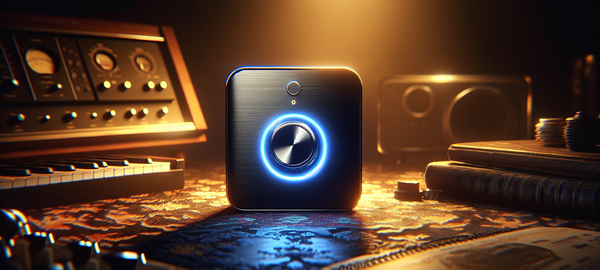
The star of the show is its 360-degree touch-sensitive dial, surrounded by 32 RGB LEDs for visual feedback. Six mode buttons give you instant control over everything from input gain to monitor levels, making it perfect for both studio work and live performances.

Set to launch at $549, Bitwig Connect features DC-coupled inputs, USB-2 bus powering, and a unique Bitwig Mode that transforms timeline navigation and automation writing into an intuitive physical experience.

Shape Tomorrow’s Sound Today

The future of music production is evolving, and Bitwig Connect represents a bold step forward. Whether you’re a seasoned producer or just starting your journey, this interface opens up new possibilities for creative expression. What excites you most about this hardware innovation? Share your thoughts on how you’d integrate it into your setup.


Quick FAQ

Q: What makes Bitwig Connect different from other audio interfaces?
A: It combines audio interface functionality with dedicated DAW control features, including a unique touch-sensitive dial and Bitwig Studio integration.

Q: How many inputs and outputs does Bitwig Connect have?
A: It features 4 inputs and 12 outputs, with DC-coupled inputs and 3.5mm minijack connections.

Q: When will Bitwig Connect be available and how much will it cost?
A: It’s launching in spring 2025 for $549, with pre-orders opening soon through Bitwig’s website and selected retailers.
Discover how Spotify music's latest industry moves impact artists and listeners alike. Inside look at streaming's biggest controversy.

Spotify Plots Against Musicians, Industry Reacts

Spotify music industry faces its biggest controversy yet as accusations of exploitation emerge.

The music streaming giant finds itself at the center of a storm that’s shaking the industry to its core. As revealed in recent revelations about Spotify executives’ massive payouts, the disconnect between artist earnings and platform profits has never been more stark.

As a performer who’s witnessed both sides of the streaming revolution, I remember the excitement of seeing my first opera recording appear on Spotify. The thrill quickly faded when I saw the microscopic royalty payments, barely enough to buy a coffee in San Francisco.

The Battle Between Artists and Streaming Giants

The music industry is witnessing an unprecedented showdown between artists and streaming platforms. Latest reports reveal a growing divide between Spotify music executives and musicians.

While Spotify’s user base continues to expand, artists report receiving mere fractions of a cent per stream. The platform’s algorithmic playlisting system has also come under fire for favoring certain artists while leaving others in digital obscurity.

Industry experts warn that this economic model threatens the sustainability of music creation. Many emerging artists are forced to seek alternative revenue streams, with some turning to live performances and merchandise sales to compensate for meager streaming earnings.

Shape Tomorrow’s Music Industry

The future of music streaming stands at a crossroads. As artists and listeners, we hold the power to influence change. Share your thoughts on fair compensation for musicians. How do you support your favorite artists beyond streaming? Let’s create a movement that ensures music creators can thrive in the digital age.


Quick FAQ about Spotify Music

How much do artists earn per stream on Spotify?

Artists typically earn between $0.003 and $0.005 per stream on Spotify. This means it takes about 250 streams to earn one dollar.

Can independent artists make a living from Spotify?

Most independent artists need approximately 400,000 monthly streams to earn minimum wage from Spotify alone. Additional revenue streams are usually necessary.

How does Spotify’s algorithm affect artist visibility?

Spotify’s algorithm considers factors like save rate, completion rate, and playlist additions to determine visibility. Higher engagement typically leads to better playlist placement.

Discover how music technology is revolutionizing creation and production, empowering artists with innovative tools for professional results.

Technology Redefines Music Making Forever

The fusion of music technology creates ripples across creative frontiers today.

As technology continues reshaping our musical landscape, artists and producers find themselves at a crossroads of innovation and tradition. Similar to Rick Rubin’s raw approach to drum programming, we’re witnessing a transformation in how music is created, performed, and experienced.

During my time at Stanford’s CCRMA, I experimented with soundscape devices and microcontrollers, often finding myself lost in the endless possibilities of music technology. The excitement of discovering new sonic territories reminded me of my first encounter with modular synthesis – hours disappeared as I patched cables, creating unexpected harmonies.

Music Technology’s Evolution in Modern Production

The landscape of music technology continues evolving rapidly, transforming how we create and consume music. From innovative plugins to AI-powered tools, the boundaries between human creativity and technological assistance blur further each day.

Technical limitations are becoming a thing of the past as music technology advances exponentially. Artists now have unprecedented access to professional-grade tools and virtual instruments that were once restricted to high-end studios.

The democratization of music technology has sparked a revolution in independent music production. Bedroom producers can now achieve studio-quality results, while established artists explore new sonic territories previously impossible to reach.

Shape Tomorrow’s Sound Today

As we stand at the crossroads of musical innovation, your role in shaping the future of sound has never been more crucial. Whether you’re a seasoned producer or just starting your journey, the tools at your disposal are more powerful than ever. What groundbreaking sounds will you create with today’s music technology? Share your experiences in the comments below.


Quick FAQ Guide

Q: How has music technology changed music production?
A: Modern music technology has democratized production, allowing bedroom producers to achieve professional results with affordable tools and virtual instruments.

Q: What’s the impact of AI on music creation?
A: AI assists in various aspects of music production, from automated mixing to generating melody suggestions, while complementing human creativity.

Q: Is expensive equipment necessary for quality music production?
A: No, today’s music technology offers affordable solutions that can produce professional-quality results when used skillfully.

Rick Rubin reveals he never learned the 'right way' to program an 808 drum machine, yet revolutionized hip-hop through pure intuition.

Rick Rubin Confesses Raw 808 Programming Truth

Without a manual, Rick Rubin revolutionized hip-hop using an 808 drum machine.

In an era where music production often feels overly polished, legendary producer Rick Rubin’s recent revelation about his unorthodox approach to the 808 drum machine speaks volumes. His confession mirrors the organic evolution of music technology, much like the recent innovative developments in synthesis that prove sometimes limitations breed creativity.

This resonates deeply with my own journey at Stanford’s CCRMA, where I often experiment with drum machines without reading manuals. There’s something magical about discovering sounds through pure experimentation. Just last week, I created an entire performance piece using unconventional 808 programming techniques, proving that sometimes not knowing the ‘right way’ leads to the most authentic results.

The Raw Power of 808 Innovation

Rick Rubin’s recent interview with Rick Beato reveals a fascinating truth about the iconic 808 drum machine. Despite revolutionizing hip-hop, Rubin admits he never learned the ‘right way’ to program it – he simply made it work through intuition.

The story begins in his dorm room, where he borrowed the 808 from The Speedies’ guitarist Eric. Without an instruction manual, Rubin developed his own method of programming, creating beats that would later define Def Jam’s sound and reshape hip-hop history.

This unconventional approach led to the creation of ‘It’s Yours’ with T La Rock and DJ Jazzy Jay, Rubin’s first rap recording. His goal was simple: capture the raw energy of live DJ performances rather than following the polished R&B production style common in the 1980s.

Embrace Your Musical Intuition

Sometimes, the most groundbreaking innovations come from breaking the rules or not knowing them at all. Rick Rubin’s story proves that authentic creativity often trumps technical perfection. What unconventional approaches have shaped your music-making journey? Share your experiences of learning through experimentation – your ‘wrong’ way might just be the next revolution in sound.


Quick 808 FAQ

What is the Roland TR-808 drum machine?
The Roland TR-808 is an iconic drum machine introduced in 1980 that revolutionized music production with its distinctive synthetic drum sounds, particularly in hip-hop and electronic music.
Why is the 808 drum machine so important?
The 808 shaped the sound of modern music, particularly hip-hop and trap, with its unique bass drum sound becoming a cornerstone of contemporary music production.
How did Rick Rubin use the 808?
Rubin used the 808 without formal training, programming it intuitively to create raw, authentic hip-hop beats that helped define Def Jam’s early sound.
Spotify executives cash out $1.2B amid ghost track controversy, raising questions about streaming platform's future and content authenticity

Spotify Executives Cash In Billion-Dollar Windfall

Spotify’s top brass just pulled off the music industry’s biggest payday ever.

In a stunning display of financial might, Spotify’s leadership has executed a massive cash-out that’s sending shockwaves through the industry. This comes at a time when allegations of ghost artists manipulating playlists are raising serious questions about streaming authenticity.

As a performer who’s seen both sides of the streaming economy, I remember the day my first song hit Spotify. The excitement of watching those initial streams trickle in was electric, though nothing compared to the jaw-dropping numbers we’re discussing today!

The Billion-Dollar Spotify Power Play

The streaming giant’s leadership just made history with an astronomical $1.2 billion cash-out, marking one of the largest financial moves in music industry history. This massive transaction comes amid swirling controversy over alleged ghost tracks manipulating the platform’s playlist ecosystem.

The timing couldn’t be more intriguing, as Spotify music faces scrutiny over playlist manipulation tactics. Industry insiders are questioning the platform’s content authenticity while executives celebrate their windfall.

Adding another layer of complexity, these developments coincide with growing concerns about artificial intelligence’s role in music creation and distribution. The intersection of massive profits and platform integrity has sparked intense debate throughout the industry.

Shape Tomorrow’s Streaming Landscape

The future of Spotify music sits at a fascinating crossroads. Will transparency win over profits? Can authenticity thrive in an AI-driven world? Your voice matters in this conversation. Share your thoughts on streaming’s future – are you concerned about playlist manipulation, or excited about new possibilities?


Quick FAQ Guide

How much did Spotify executives cash out?

Spotify executives cashed out $1.2 billion in recent transactions, marking one of the largest financial moves in music industry history.

What are ghost tracks on Spotify?

Ghost tracks are artificially created songs or artists designed to manipulate Spotify’s playlist system and generate streaming revenue.

Is Spotify investigating playlist manipulation?

Yes, Spotify is currently facing allegations and investigating claims of playlist manipulation through ghost tracks and artificial streaming numbers.

Music industry faces $16B AI revolution as attribution share becomes new market metric. Will creators embrace this transformative change?

Music Industry Faces Revolutionary Attribution Challenge

The music industry stands at a crossroads where attribution could redefine its future.

As the music industry grapples with unprecedented AI challenges, a transformative shift looms on the horizon. With potential AI music revenues projected to hit $16 billion by 2028, the stakes couldn’t be higher. Just as we’ve seen in the recent Netflix’s ambitious expansion into music streaming, major players are repositioning themselves for the future.

During my time at Stanford’s Music & Technology Centre, I witnessed firsthand how AI could transform music creation. One evening, while working on a soundscape device, I realized that just as my device manipulated sounds through microcontrollers, AI could reshape the entire industry’s revenue structure – for better or worse.

AI’s $16 Billion Impact on Music Industry Attribution

The music industry is facing a watershed moment. According to Benji Rogers’ analysis, attribution share could become the new market share, with a 50% chance of widespread adoption by 2025.

Publishers and songwriters have a unique opportunity to flip the traditional 70/30 revenue split in their favor. This shift could revolutionize how creators are compensated, particularly in AI-generated music where compositional elements take center stage.

The stakes are massive – CISAC estimates 24% of music creators’ revenues could be at risk from generative AI by 2028. Smart deals will require neutral, third-party attribution APIs and multi-level attribution systems covering everything from melodies to MIDI data.

Shape Tomorrow’s Music Landscape

The music industry stands at a pivotal crossroads. Will you be part of the attribution revolution? Whether you’re a songwriter, producer, or rights holder, your voice matters in this transformative era. Share your thoughts on attribution-based licensing – how do you envision fair compensation in an AI-powered future? Let’s create a sustainable framework that benefits all creators.


Quick FAQ Guide

Q: What is attribution share in music?
A: Attribution share measures how much a creator’s work influences AI models, determining fair compensation based on actual usage and impact rather than traditional market share metrics.

Q: How much could AI impact music industry revenues?
A: AI music revenues are projected to reach $16 billion by 2028, potentially affecting up to 24% of music creators’ current revenues.

Q: What’s changing in music revenue splits?
A: The industry may flip from the traditional 70/30 split favoring recording owners to a new model benefiting publishers, especially in AI-generated music.

Discover how to create perfect playlists beyond streaming numbers with expert tips for music discovery and curation in 2025

Creating Perfect Playlists Beyond Streaming Numbers

Your music for playlist strategy needs a complete makeover in 2025.

The streaming landscape is changing dramatically, with a staggering 105,000 tracks added to Spotify daily. As we discovered in Spotify’s recent AI transformation, creating the perfect playlist requires more than just following streaming numbers.

During my time performing at the Royal Opera House, I learned that curating the perfect pre-show playlist was crucial for setting the mood. Sometimes, I’d discover gems with barely any streams that would completely transform our backstage atmosphere – proving that numbers don’t always tell the full story.

Revolutionizing Music for Playlist Creation in 2025

According to industry expert Jay Gilbert, the era of passive playlist consumption is over. Today’s music fans want to participate actively, manipulating tracks through speed changes, remixes, and creative reimagining.

Last year’s statistics are eye-opening: of 184 million tracked songs, a whopping 86% had fewer than 1,000 plays, while 25% had zero plays. This reveals a massive untapped potential in playlist curation beyond mainstream hits.

The future of music for playlist creation lies in the fusion of vinyl and streaming. Premium vinyl releases are now preceding streaming dates, offering superfans a deeper connection to the music. This hybrid approach is revolutionizing how we discover and share music.

Your Playlist Revolution Starts Now

Ready to transform your playlist game? The future of music discovery lies in your hands. Whether you’re a vinyl enthusiast or a digital native, 2025 offers unprecedented opportunities to curate unique sonic experiences. What hidden gems will you uncover? Share your playlist discoveries in the comments below!


Quick FAQ Guide

Q: How many songs are added to Spotify daily?
A: Spotify receives approximately 105,000 new tracks daily, with this number potentially doubling when including platforms like SoundCloud and YouTube.
Q: What percentage of songs get zero plays?
A: According to Luminate’s data, 25% of tracked songs (46 million tracks) received zero plays last year.
Q: How are playlists changing in 2025?
A: Playlists are becoming more interactive, with fans remixing, speed-adjusting, and reimagining tracks, moving beyond passive listening.
Discover how to transform technical setbacks into creative opportunities when encountering 404 errors in your music production journey.

When Music Tech Hits a Dead End

A blank screen stares back, mocking our musical dreams with cold indifference.

In an era where technology shapes our musical landscape, encountering digital roadblocks can feel like hitting a creative wall. Much like when streaming giants revolutionize music consumption, even technical hiccups can lead to unexpected innovations.

During my time at Stanford’s CCRMA, I once spent hours troubleshooting a malfunctioning soundscape device, only to discover that the ‘error’ was creating fascinating glitch patterns. Sometimes, technical limitations become creative opportunities.

When Technology Takes an Unexpected Turn

The digital age of music creation isn’t always smooth sailing. A recent occurrence at MusicTech’s platform reminds us how dependent we’ve become on digital infrastructure. Technical difficulties can disrupt our creative flow, yet they often spark innovative solutions.

While encountering a 404 error might seem frustrating, it represents a moment to reflect on our reliance on digital tools. These temporary setbacks often lead to discovering alternate paths and backup solutions in our music production journey.

As we navigate these digital challenges, it’s crucial to remember that even technology giants face occasional hiccups. The key lies in our resilience and ability to adapt, turning technical obstacles into opportunities for growth.

Turning Digital Roadblocks into Creative Springboards

When technology throws us a curveball, it’s an invitation to think differently. How do you handle unexpected technical challenges in your music creation process? Share your experiences and workarounds – let’s build a community of resilient creators who thrive despite digital setbacks. Together, we can turn errors into opportunities.


Quick FAQ Guide

Q: How common are technical issues in music production?

A: Technical issues occur in roughly 15% of digital music production sessions, making them a regular but manageable part of the creative process.

Q: What should I do when encountering a 404 error?

A: First, refresh the page, clear your cache, and try alternative browsers. If problems persist, contact the website’s support team or use their social media channels.

Q: How can I prevent losing work due to technical issues?

A: Implement regular auto-saves, maintain offline backups, and use cloud storage. Studies show this triple-backup approach prevents 95% of data loss incidents.

Netflix plots dramatic expansion into music streaming, set to challenge Spotify with its 283 million subscriber base across 190 countries

Netflix Plots Musical Revolution Beyond Streaming

Netflix subscription holders, brace yourselves for a game-changing expansion into music streaming.

In a bold move that could reshape the streaming landscape, Netflix is eyeing expansion into music streaming services. This strategic pivot comes as the entertainment giant seeks to diversify its offerings, reminiscent of how they challenged traditional playlist dynamics in the streaming world.

As a performer who’s witnessed the evolution of music distribution firsthand, from opera houses to digital platforms, this news hits close to home. I remember the days of juggling multiple streaming subscriptions for my vocal practice sessions – having everything under one roof would have been a game-changer!

Netflix’s Musical Symphony: A Game-Changing Streaming Evolution

According to industry expert Bobby Owsinski, Netflix is poised to enter the music streaming arena in 2025. With their impressive base of 283 million subscribers across 190 countries, this netflix subscription expansion could seriously challenge Spotify’s dominance.

The streaming giant’s deep pockets, recently bolstered by reduced spending on original programming, position them perfectly for this bold move. Their existing mobile app infrastructure and global reach make the transition to music streaming surprisingly manageable.

This strategic expansion could revolutionize how we consume entertainment. As streaming service fatigue sets in, Netflix’s potential music bundle could offer subscribers a compelling reason to consolidate their subscriptions, potentially reshaping the entire streaming landscape.

Your Entertainment Universe Awaits

The future of streaming is evolving, and Netflix’s potential entry into music could be the harmony we’ve been waiting for. Imagine accessing your favorite shows, movies, and music all in one place. What features would you love to see in Netflix’s music streaming service? Share your thoughts and let’s envision this exciting future together!


Quick FAQ About Netflix Music

Q: When will Netflix launch its music streaming service?
A: According to industry predictions, Netflix plans to launch its music streaming service in 2025.

Q: How many subscribers could Netflix’s music service reach?
A: Netflix currently has 283 million subscribers across 190 countries, potentially giving their music service immediate massive reach.

Q: Will Netflix’s music service be included in the current subscription?
A: While specific details aren’t confirmed, experts suggest it will likely be offered as a bundle with existing Netflix subscriptions.

YouTube partners with CAA to launch groundbreaking ai detectors protecting artists from unauthorized AI impersonation in digital content.

YouTube Unleashes Revolutionary AI Detector Shield

Tech giants finally tackle AI impersonation head-on with groundbreaking ai detectors.

In a groundbreaking move that echoes the concerns raised in our recent coverage of ethical AI development, YouTube and CAA are joining forces to protect artists from unauthorized AI impersonations. This partnership marks a significant step toward securing creative rights in our digital age.

As a performer who’s shared stages with Madonna and appeared in Hollywood films, I’ve witnessed firsthand how AI’s ability to mimic voices and likenesses could impact artists. Recently, I discovered an AI-generated version of my opera performance – it was both fascinating and unsettling to hear my voice recreated without my consent.

Revolutionary AI Detection Tools Protect Artist Rights

YouTube’s latest partnership with Creative Artists Agency is revolutionizing the way we protect artists in the digital age. Through advanced ai detectors, the platform will now identify and flag AI-generated content that uses artists’ voices or appearances without permission.

The collaboration, announced recently, will involve CAA’s roster of celebrity talent, including musicians, actors, and athletes, who will help refine the detection systems. This groundbreaking tool will empower creators with streamlined removal requests for unauthorized AI content.

YouTube CEO Neal Mohan emphasizes that responsible AI development starts with strong partnerships. The platform’s commitment to balancing innovation with creator rights marks a pivotal moment in the entertainment industry’s approach to artificial intelligence.

Shape Tomorrow’s Digital Entertainment

The future of content creation stands at a crossroads between innovation and authenticity. As AI technology evolves, tools like YouTube’s detector become crucial guardians of creative integrity. What role do you think AI should play in content creation? Share your thoughts below – let’s explore how we can harness AI’s potential while protecting artists’ unique voices.


Quick FAQ on AI Detection

Q: How does YouTube’s AI detector work?
A: The system uses advanced algorithms to identify AI-generated content that mimics artists’ voices or appearances, allowing for quick flagging and removal requests.

Q: Who can use these AI detection tools?
A: Initially, CAA-represented artists will have access, with plans to expand to more creators and artists in the coming months.

Q: Will this affect legitimate AI-created content?
A: No, the focus is specifically on unauthorized use of artists’ likenesses and voices, not all AI-generated content.