All posts by Noa Dohler

Experience the future of DJing with VirtualDJ's revolutionary StemSwap feature, enabling real-time stem isolation and creative mixing.

VirtualDJ Unleashes Revolutionary StemSwap Technology

DJing revolutionaries, prepare for the game-changing feature that will transform your sets forever.

The future of DJing has arrived with a groundbreaking advancement that’s set to redefine creative mixing. Following the industry’s recent moves towards AI-powered music innovations, VirtualDJ’s latest release promises to revolutionize how DJs interact with music, offering unprecedented control over track elements.

Last weekend, while DJing at a tech conference afterparty in San Francisco, I wished I could isolate the vocals from a French house track to layer over a techno beat. The timing of this release couldn’t be more perfect – it’s like VirtualDJ read my mind!

Revolutionary DJing Technology Transforms Music Mixing

VirtualDJ has just dropped their 2025 version, and it’s not just another update. The star of the show is their new StemSwap Sampler feature, which lets you capture and swap stems between tracks in real-time. Picture grabbing vocals from one track and seamlessly laying them over another’s instrumentals – pure mixing magic!

This game-changing technology allows DJs to isolate and mix various track components like vocals, instruments, kicks, and hi-hats on the fly. The software automatically mutes corresponding stems when you layer new ones, making real-time remixing smoother than ever. You can even capture multiple stems simultaneously, perfect for creating those killer mashups.

The best part? VirtualDJ is keeping it accessible. The software is free for non-professional use, and professional DJs with previous licenses get the 2025 upgrade at no extra cost. They’ve also added a smart feature to lock sampler banks, preventing accidental overwrites during your creative flow.

Level Up Your Mix Game

Ready to push your DJing skills into the future? The StemSwap Sampler is more than just a new feature – it’s your ticket to unlimited creative possibilities. Whether you’re a bedroom DJ or a club veteran, this tool opens doors to mixing techniques we’ve only dreamed about. Share your thoughts below – how would you use this game-changing technology in your sets?


Quick DJ Tech FAQ

Q: What is StemSwap Sampler?

A: StemSwap Sampler is VirtualDJ 2025’s new feature that enables real-time recording and playback of isolated track elements like vocals, drums, and instruments, allowing seamless stem switching between songs.

Q: How much does VirtualDJ 2025 cost?

A: VirtualDJ 2025 is free for non-professional use. Professional DJs with existing licenses receive the upgrade at no additional cost.

Q: Can I capture multiple stems at once?

A: Yes, VirtualDJ 2025 allows simultaneous capture of multiple stems, such as vocals and kick drums, for creative mixing combinations.

Explore how Mubert AI is transforming music creation, challenging copyright norms, and reshaping the future of artistic expression in the digital age.

Understanding Copyright Issues in AI-Generated Music

Mubert AI revolutionizes music creation – future or threat?

The music industry stands at a crossroads where artificial intelligence is reshaping creative boundaries. As we’ve previously explored in our discussion about ethical considerations in AI music, the emergence of sophisticated platforms like Mubert AI presents both unprecedented opportunities and complex challenges for creators worldwide.

Last month, I experimented with an AI music generator during a live performance. The audience was captivated, yet puzzled when I revealed the true composer. Their reaction perfectly encapsulated the current dialogue around AI in music: fascination mixed with uncertainty.

Understanding the Mubert AI Revolution

The emergence of Mubert AI represents a significant shift in music production paradigms. According to recent legal analysis, AI-generated music is challenging traditional concepts of creativity and authorship. The platform’s ability to generate original compositions in real-time has attracted over 1 million users worldwide, demonstrating the growing acceptance of AI in creative processes. The technology employs sophisticated algorithms that analyze patterns from vast musical databases, enabling it to create unique compositions across various genres. This development raises fundamental questions about the nature of creativity and artistic expression. As the platform continues to evolve, its impact on professional musicians and composers becomes increasingly significant, transforming how we think about music creation and distribution.

Copyright Challenges in the AI Era

The legal landscape surrounding music AI is rapidly evolving. According to the U.S. Copyright Office’s recent guidance, AI-generated works face unique challenges in securing copyright protection. This has created a complex environment where traditional copyright frameworks struggle to accommodate new forms of creative expression. The current legal system, designed for human creators, must adapt to address AI’s role in music production. Musicians and producers using AI tools face uncertainty regarding ownership rights and revenue distribution. These challenges extend to streaming platforms and licensing agreements, where the distinction between human and AI contributions becomes increasingly blurred.

The Future of AI Lofi Music Generation

The rise of AI lofi music generators marks a significant transformation in the music industry. Recent data from industry sources indicates that AI-generated lofi music is gaining substantial traction on streaming platforms. The technology has evolved to create sophisticated compositions that rival human-made tracks in terms of quality and emotional resonance. This development presents both opportunities and challenges for independent artists and major labels alike. The accessibility of these tools democratizes music creation while raising questions about artistic authenticity and market saturation.


The future of music lies not in choosing between AI or human creativity, but in their thoughtful integration.


Legal Framework Evolution

The legal landscape is rapidly adapting to accommodate AI-generated music. According to recent developments, major music publishers are actively engaging in shaping new copyright frameworks. These changes aim to protect both traditional artists and AI innovators. Legal experts suggest that hybrid approaches, recognizing both human and AI contributions, may become the norm. This evolution requires careful consideration of artistic rights, fair compensation, and technological innovation. The challenge lies in creating regulations that foster innovation while protecting creators’ rights.

Innovation Opportunities in AI Music

Several promising business models are emerging in the AI music space. Companies could develop subscription-based platforms offering customized AI-generated music for different use cases, from gaming to meditation. Licensing models that combine AI-generated elements with human curation could create new revenue streams. Start-ups might focus on developing AI tools that augment rather than replace human creativity, creating collaborative platforms that blend human artistry with AI capabilities. The market potential extends to personalized music experiences, where AI adapts compositions in real-time based on user preferences or physiological responses.

Composing Tomorrow’s Harmony

The intersection of AI and music creation opens unprecedented possibilities for artists, producers, and listeners alike. As we navigate this evolving landscape, your perspective matters. How do you envision the future of music creation? Share your thoughts on AI’s role in shaping the future of musical expression, and let’s continue this crucial conversation about balancing innovation with artistic integrity.


Essential FAQ About AI Music Copyright

Q: Can AI-generated music be copyrighted?
A: Currently, the U.S. Copyright Office only recognizes works with substantial human creative input. Purely AI-generated music cannot be copyrighted.

Q: Who owns the rights to music created using AI tools?
A: Ownership depends on the level of human involvement. If significant human creative input exists, rights typically belong to the human creator(s).

Q: Can I use AI-generated music commercially?
A: Commercial use depends on the AI platform’s terms of service and licensing agreements. Always verify usage rights before commercial implementation.

Musical AI and Beatoven.ai launch groundbreaking platform ensuring fair compensation for copyrights to music in AI-generated content

Ethical AI Finally Respects Music Copyrights

Revolutionary partnership transforms how copyrights to music shape AI’s creative future.

As the music industry grapples with AI’s rapid evolution, a groundbreaking partnership emerges to protect artists’ rights. This milestone follows the recent unified stand for ethical AI music creation, marking a transformative moment in music technology history. Finally, creators might get their fair share.

As a performer who’s recorded with Madonna and played at prestigious venues, I’ve witnessed firsthand how crucial copyright protection is. Recently, I discovered one of my opera performances was used in an AI training set without permission – a wake-up call that made this issue deeply personal.

Revolutionizing Music Copyrights in the AI Era

Musical AI and Beatoven.ai are joining forces to create an unprecedented AI music generator that actually respects copyrights to music. This game-changing platform, launching in 2025, will be trained on over 3 million licensed songs, ensuring fair compensation for rights holders.

The system mirrors streaming royalties, with artists receiving revenue shares based on AI-generated output usage. It’s all completely legal and licensed, marking a stark contrast to recent lawsuits where major labels like Universal and Sony have challenged unauthorized AI training practices.

According to Musical AI CEO Sean Power, this partnership proves that generative AI can be both legal and profitable while compensating original creators. The platform will exclusively serve enterprise clients as a white-label service, setting new standards for ethical AI music generation.

Shape Tomorrow’s Music Industry

The future of music creation stands at a crossroads, and you’re invited to be part of this revolutionary change. Whether you’re an artist, producer, or music enthusiast, your voice matters in shaping how AI and music coexist. What role will you play in this new era of ethical music generation? Share your thoughts and let’s create a fairer future for all musicians.


Quick FAQ Guide

How does the new AI music generator compensate artists?

Artists receive revenue shares based on how their music is used in AI-generated outputs, similar to streaming royalties. The system is fully licensed and tracks usage for fair compensation.

When will this licensed AI music platform launch?

The platform is scheduled to debut in the second half of 2025, offering enterprise-level access to legally trained AI music generation capabilities.

How many songs will the AI system be trained on?

The system will be trained on more than 3 million licensed songs, loops, samples, and sounds, all properly authorized and compensated.

Explore how Mubert AI and AI lofi music generators are transforming the music industry while raising important ethical and cultural questions.

Navigating Ethical Considerations in AI Music Generation

Mubert AI revolutionizes music creation with boundless potential.

While many view AI music as a threat to human creativity, pioneers are discovering its potential to enhance artistic expression. As explored in our discussion about human-AI collaboration in music composition, these tools are becoming powerful allies for musicians seeking innovative approaches.

During a recent performance, I integrated AI-generated harmonies into my piano composition. The audience was captivated, unaware that the ethereal background textures were AI-crafted. It sparked fascinating discussions about the future of musical collaboration.

The Cultural Impact of AI Music Generation

The integration of AI in music creation is fundamentally reshaping our cultural landscape. Studies show that AI music generators are empowering creators across various genres, democratizing music production and enabling new forms of artistic expression. This technological revolution is breaking down traditional barriers to entry, allowing aspiring musicians to experiment with sophisticated compositions without extensive formal training. The emergence of AI music tools has led to a surge in cross-genre experimentation and unique sonic landscapes. The accessibility of these platforms has created a new generation of creators who blend traditional musicianship with AI-driven innovation. This fusion is giving rise to entirely new musical genres and creative possibilities. The cultural impact extends beyond just creation, influencing how we consume and interact with music. AI’s ability to generate personalized soundtracks and adaptive music is transforming the listening experience, making it more interactive and tailored to individual preferences.

Ethical Considerations in AI Music Creation

The ethical landscape of AI music generation presents complex challenges that demand careful consideration. As highlighted by industry experts, questions of authorship and creative rights are at the forefront of this technological revolution. The need to balance innovation with artistic integrity has become increasingly crucial as AI lofi music generators gain popularity. The industry must address concerns about potential exploitation of existing works and the preservation of human creativity. These ethical considerations extend to questions of transparency and attribution in AI-generated music. Artists and platforms must clearly communicate when AI tools have been used in the creative process, maintaining trust with audiences while embracing technological advancement. The development of ethical guidelines is essential for ensuring that AI music tools enhance rather than diminish the value of human creativity.

Navigating Copyright in the AI Music Era

The evolution of AI music technology has created unprecedented challenges in copyright law. Research indicates that generative models raise significant concerns about copyright infringement and ownership rights. These issues require careful consideration to protect both human creators and AI-generated content. Legal frameworks must adapt to address the unique characteristics of AI-generated music. Questions of ownership, attribution, and fair use become increasingly complex when dealing with content created through machine learning algorithms. The industry needs clear guidelines to determine rights and responsibilities. Establishing robust copyright protection mechanisms while fostering innovation is crucial. This balance requires collaboration between legal experts, technologists, and music industry professionals to develop frameworks that protect creative rights while encouraging technological advancement.


The successful integration of AI in music creation depends on balancing technological innovation with ethical considerations and human creativity.


Building Ethical Frameworks for AI Music

The development of comprehensive ethical guidelines for AI music creation is essential for sustainable industry growth. Studies from the OECD emphasize the importance of responsible AI integration in the music industry. These frameworks must address issues of transparency, accountability, and fair compensation for all stakeholders. Implementation of ethical guidelines requires collaboration across sectors. Industry leaders, artists, and technology developers must work together to establish standards that protect creative rights while fostering innovation. This collaborative approach ensures that ethical considerations are embedded in the development process. Education and awareness about ethical AI music creation are crucial. Musicians, producers, and consumers need to understand both the capabilities and limitations of AI music tools, ensuring responsible use and development of these technologies.

Future Business Models in AI Music Innovation

Innovative companies could develop AI-powered music licensing platforms that automatically generate and license custom music for different use cases. This service could target content creators, advertisers, and businesses needing unique, royalty-free music while ensuring fair compensation for artists who contribute to the training data. Startups could create collaborative AI music tools that enable real-time interaction between human musicians and AI systems during live performances. This technology could revolutionize live entertainment and create new performance possibilities. Companies could develop AI-driven music education platforms that adapt to individual learning styles and progress. These systems could provide personalized instruction, generate practice exercises, and offer real-time feedback, creating a new paradigm in music education.

Shaping Tomorrow’s Music Landscape

The future of music lies at the intersection of human creativity and AI innovation. As we navigate this exciting frontier, your voice matters in shaping how these technologies evolve. Share your thoughts on AI music generation – how do you envision it enhancing your creative process? Let’s collaborate in building a future where technology amplifies human artistry rather than replacing it.


Essential FAQ About AI Music Generation

Q: What is Mubert AI and how does it work?
A: Mubert AI is an artificial intelligence platform that generates unique music using advanced algorithms and machine learning. It analyzes patterns from existing music to create new compositions in real-time.

Q: Can AI-generated music be copyrighted?
A: Yes, AI-generated music can be copyrighted, but ownership rights vary by platform and jurisdiction. Currently, most platforms assign rights to the human user who initiated the creation.

Q: Is AI music making human composers obsolete?
A: No, AI music tools are designed to complement human creativity, not replace it. They serve as collaborative tools that enhance the creative process while maintaining the irreplaceable human element in music creation.

Discover how your Spotify account transforms with AI-powered storytelling, creating personalized podcasts from your music listening habits

Spotify Account Gets Mind-Blowing AI Makeover

Your Spotify account just evolved into an AI-powered storyteller of your musical journey.

Hold onto your headphones! Spotify is revolutionizing how we experience our musical memories with an AI twist that’ll blow your mind. Just when you thought music streaming couldn’t get more personal, Spotify’s latest update transforms your listening habits into an intimate AI-narrated journey.

As a performer who’s shared stages with Madonna and recorded at legendary venues, I’m fascinated by how AI is personalizing our musical experiences. Last week, I spent hours diving into my own Spotify account’s AI-generated story, laughing at how it perfectly captured my eclectic journey from opera to electronic music.

Your Spotify Account Gets an AI Storytelling Boost

Spotify’s latest Wrapped feature is serving up some seriously cool vibes with their new AI-powered podcast feature. Using Google’s NotebookLM, your Spotify account now creates personalized audio recaps that feel like you’re listening to a podcast about your music journey.

The feature’s available in seven countries, including the U.S. and U.K., letting both free and premium users save or share their AI-generated clips on social media. Plus, they’ve added new social sharing options for TikTok feeds and Stories, perfect for showing off your musical taste.

But wait, there’s more! Premium subscribers can now generate AI playlists based on their Wrapped experience, and the new ‘Your Music Evolution’ feature tracks up to three distinct musical phases throughout your year. With Spotify’s audiobook catalog doubling to over 300,000 titles, your listening experience is more diverse than ever.

Level Up Your Music Journey

Ready to discover your musical story in a whole new way? Your Spotify account is no longer just a playlist machine – it’s your personal music narrator, powered by cutting-edge AI. Share your AI-generated story with friends, compare musical journeys, and dive into the conversation. What surprising insights did your Spotify AI reveal about your music taste? Let’s hear your story!


Quick FAQ on Spotify’s AI Feature

Q: How do I access the new AI podcast feature in Spotify?
A: Find it on your Spotify Home screen – it’s available for both free and premium users in seven countries including the US and UK.

Q: Can I share my AI-generated Spotify recap?
A: Yes! Save the audio clip to your device or share directly to social media, including TikTok feeds and Stories.

Q: What’s included in the AI-generated recap?
A: It covers your top songs, artists, genres, and listening patterns, presented as an engaging conversation between AI hosts.

Analyze the dynamic partnership between humans and AI in music composition, where technology augments creativity. This collaboration opens new horizons, yet demands careful navigation of AI's benefits and limitations.

Collaborations Redefined: AI-Assisted Music Composition

The exploration of AI in music creation reveals a transformative technological landscape that is reshaping how musicians compose, collaborate, and innovate. From specialized music generation to dynamic media scoring, AI emerges as a powerful creative partner that augments human artistic expression while introducing unprecedented technological capabilities.

For musicians exploring the transformative landscape of AI, our companion blogs offer deep insights into emerging technologies. Discover cutting-edge perspectives in future music technology, which examines how artificial intelligence is reshaping musical innovation and creative processes.

Complementing this exploration, we recommend diving into our analysis of AI ethics and copyright challenges in music creation. These companion pieces provide crucial context for understanding the complex interplay between technological advancement and artistic integrity, offering nuanced perspectives for professionals and enthusiasts navigating this dynamic field.

Here’s the HTML response:


5 Take-Aways on AI’s Revolutionary Impact on Music Creation

Table of Contents


Music Tech: The New Collaborative Frontier

1.1 Understanding AI’s Role in Music Creation

The emergence of AI represents a transformative force in music composition, fundamentally reshaping creative processes. Advanced AI platforms now analyze vast musical databases, leveraging machine learning algorithms to generate context-aware compositions with unprecedented sophistication. These systems decode complex musical patterns, enabling unprecedented generative capabilities that extend traditional compositional boundaries.

Neural networks facilitate intricate musical pattern recognition, allowing AI to understand and reproduce genre-specific nuances with remarkable precision. By processing millions of musical samples, these algorithms develop sophisticated comprehension of harmonic structures, rhythmic variations, and stylistic conventions. The technology’s rapid evolution demonstrates its potential to augment human creativity.

AI’s capacity for real-time musical exploration represents a paradigm shift in creative methodology. Musicians can now interact dynamically with intelligent systems that provide instantaneous compositional suggestions, breaking through creative limitations. This collaborative approach transforms AI from a mere tool into an active creative partner, enabling musicians to explore uncharted sonic territories.

1.2 Evolution of AI Music Platforms

Technological advancements in AI music generation have dramatically transformed the landscape of musical creation. Platforms like Mubert are generating over 100 million tracks across 150+ genres, demonstrating the extraordinary scalability of AI-driven music production. These sophisticated systems leverage complex algorithms to produce contextually relevant musical compositions across diverse stylistic domains.

Machine learning models now analyze intricate musical structures with unprecedented depth, enabling nuanced genre replication and innovative cross-pollination. By processing vast datasets, these platforms can generate tracks that maintain genre-specific characteristics while introducing subtle innovative elements. The technical sophistication allows for granular control over musical parameters, from rhythmic complexity to harmonic progression.

The democratization of music production through accessible AI tools represents a significant technological breakthrough. These platforms lower entry barriers, empowering creators without formal musical training to generate professional-quality compositions. By providing user-friendly interfaces and intelligent generation capabilities, AI music platforms are revolutionizing creative expression.

1.3 Analyzing AI’s Musical Capabilities

The technical sophistication of AI music generation reveals remarkable advancements in computational creativity. Neural networks now facilitate complex musical pattern recognition, enabling systems to decode and reproduce intricate musical structures with extraordinary precision. These algorithms analyze musical databases, extracting nuanced insights about compositional techniques across multiple genres.

Machine learning models have developed sophisticated capabilities in understanding musical syntax, allowing them to generate compositions that respect genre conventions while introducing innovative elements. By processing millions of musical samples, these systems develop deep contextual understanding, enabling them to create contextually appropriate and stylistically coherent musical pieces.

AI’s ability to generate context-specific musical compositions highlights its potential as a creative collaborator. The technology can now adapt to specific musical requirements, suggesting variations that align with an artist’s vision. This adaptive capacity transforms AI from a passive tool to an active creative partner, expanding the boundaries of musical exploration.

1.4 Potential and Limitations of AI Music

Understanding the boundaries of AI in musical creativity reveals a complex technological landscape. While AI excels in technical music reproduction, it struggles with capturing the profound emotional depth inherent in human musical expression. The technology demonstrates remarkable pattern recognition capabilities but encounters significant challenges in generating truly original, emotionally resonant compositions.

Neural networks can analyze and replicate musical styles with impressive accuracy, yet they fundamentally lack the lived experiences that inform human musical creativity. The algorithms generate technically sophisticated compositions that often feel mechanically precise but emotionally sterile. This limitation underscores the irreplaceable nature of human artistic intuition in musical creation.

AI emerges as a complementary tool rather than a complete replacement for human musicians. Its strength lies in augmenting creative processes, providing novel suggestions, and handling technical complexities. By facilitating human-AI collaboration, these technologies open new horizons for musical exploration, promising a future where computational intelligence and human creativity coexist harmoniously.


AI empowers musicians as a creative collaborator, overcoming blocks and exploring new sonic territories.


AI for Music: Transforming Creative Landscapes

2.1 AI in Specialized Music Domains

AI’s transformative potential in music extends far beyond generic composition, particularly in specialized media contexts like video games and film. By leveraging advanced neural networks, AI can analyze complex interactive environments and generate dynamically responsive soundscapes that adapt in real-time to narrative and gameplay elements. These sophisticated algorithms process extensive musical datasets, enabling nuanced audio generation that synchronizes perfectly with visual and interactive experiences.

In video game scoring, AI’s capacity for real-time adaptation becomes particularly revolutionary. Machine learning models can instantaneously analyze player actions, emotional states, and game progression, generating music that seamlessly enhances immersion. Technologies like adaptive sound design allow composers to create deeply personalized musical journeys.

Similar transformative approaches emerge in film and theater, where AI assists composers in crafting emotionally resonant scores. By analyzing narrative arcs and dramatic structures, AI tools suggest innovative musical variations that complement storytelling, reducing production time while maintaining artistic integrity. This technological collaboration opens unprecedented creative possibilities across specialized media domains.

2.2 Genre-Specific AI Music Generation

Genre-specific AI music generation represents a sophisticated frontier in computational creativity, where advanced algorithms meticulously analyze and recreate distinctive musical characteristics. By processing extensive genre-specific datasets, AI can now generate authentically textured compositions that respect intricate stylistic nuances. Lo-fi music generation exemplifies this precise approach, with AI models capturing the genre’s characteristic warmth and subtle imperfections.

Neural networks trained on comprehensive musical archives enable remarkably faithful genre replication. These systems don’t merely imitate surface-level characteristics but comprehend deeper structural elements—rhythmic patterns, harmonic progressions, and textural subtleties that define specific musical traditions. AI lofi generators demonstrate this capability by customizing tempo, mood, and complexity while maintaining the nostalgic aesthetic.

The technological sophistication extends beyond mimicry, introducing innovative variations that expand genre boundaries. By analyzing countless musical examples, AI can suggest novel compositional approaches that simultaneously honor traditional conventions and push creative limits. This delicate balance between preservation and innovation marks a significant evolution in AI-assisted music generation.

2.3 Collaborative Music Creation

Human-AI collaborative music composition represents a revolutionary paradigm where technological precision meets artistic intuition. Advanced AI platforms now offer real-time feedback mechanisms and creative suggestion tools that augment rather than replace human creativity. By analyzing compositional patterns and user preferences, these systems generate intelligent musical recommendations that inspire and challenge musicians.

Platforms like Mubert demonstrate how AI can generate over 100 million tracks across diverse genres, providing musicians with unprecedented creative flexibility. These tools enable composers to explore new sonic territories, overcome creative blocks, and prototype ideas with remarkable efficiency. The collaborative process becomes a dynamic dialogue between human emotion and computational analysis.

The emerging collaborative model democratizes music production, lowering technical barriers while maintaining artistic authenticity. AI tools handle complex technical tasks—harmonic analysis, rhythm generation, mixing—allowing artists to focus on emotional expression. This synergy promises a future where technology amplifies human creativity, creating richer, more diverse musical experiences across multiple genres and contexts.

2.4 Future of AI in Music

The future of AI in music technology promises transformative developments that extend far beyond current capabilities. Projected market growth indicates substantial investments in AI music platforms, with estimations suggesting expansion from $300 million to $3.1 billion by 2028. This rapid evolution suggests increasingly sophisticated systems capable of nuanced musical generation and emotional responsiveness.

Emerging trends point towards more advanced emotional AI that can comprehend and generate music with greater contextual understanding. Advanced AI models are being developed to analyze biometric data, potentially creating music that dynamically responds to listeners’ emotional states. This represents a significant leap from current algorithmic approaches, moving towards more intuitive and personalized musical experiences.

Despite technological promises, challenges remain in capturing the ineffable human qualities of musical expression. AI will likely continue serving as a powerful collaborative tool, augmenting rather than replacing human creativity. Future developments will focus on resolving complex issues like copyright, emotional depth, and maintaining the unique cultural nuances that make music a profoundly human art form.


Collaborations Redefined: AI-Assisted Music Composition

3.1 Techniques that Transform: AI-Assisted Music Composition Strategies

AI music composition represents a groundbreaking paradigm where technology augments human creativity through sophisticated algorithmic techniques. Neural networks analyze extensive musical datasets, enabling precise pattern recognition and generation of complex musical structures. By understanding intricate harmonic relationships, these systems can generate compositions that respect traditional musical theory while introducing innovative elements.

Platforms like Mubert AI exemplify advanced composition strategies, utilizing machine learning to customize tracks across diverse genres. These tools generate royalty-free music by analyzing musical patterns and adapting to user preferences, democratizing music production. The AI lofi generators particularly excel at maintaining genre authenticity while offering customizable tempo and mood parameters.

The synergy between human intuition and AI’s computational power transforms composition workflows. AI assists composers by generating creative variations, suggesting novel melodic lines, and handling technical complexities. This collaborative approach allows musicians to focus on emotional expression while leveraging AI’s capacity for rapid, sophisticated musical generation.

3.2 United in Harmony: Human-AI Collaboration in Music Composition

Human-AI collaboration in music composition represents a nuanced partnership where artificial intelligence complements human emotional intelligence. By analyzing vast musical datasets, AI tools provide real-time feedback, generate compositional ideas, and help artists overcome creative blocks. The technology enables musicians to explore new sonic territories while maintaining their unique artistic vision.

Platforms like Mubert demonstrate how AI can generate over 100 million tracks across multiple genres, offering flexible, high-quality music generation. These tools adapt to user preferences, suggesting ideas aligned with the artist’s creative direction while introducing novel musical elements. The democratization of music production becomes evident as AI lowers traditional entry barriers.

The collaborative process emphasizes AI as an enhancement tool rather than a replacement for human creativity. By handling technical complexities and generating initial compositional frameworks, AI frees musicians to focus on emotional depth and artistic expression. This symbiotic relationship promises to revolutionize music creation, offering unprecedented creative possibilities.

3.3 Expanding Horizons: AI Music Composition in Media

AI music composition has dramatically transformed multimedia applications, particularly in video games and film industries. By analyzing player actions and narrative arcs, AI generates responsive soundscapes that dynamically adapt to interactive environments. Machine learning algorithms can now create full orchestral scores that synchronize precisely with on-screen narratives, enhancing emotional storytelling.

In video game development, AI enables real-time sound design that responds to player behavior and emotional states. Advanced systems use biometric data to match music with interactive experiences, creating personalized audio journeys. Similarly, film and theater productions benefit from AI’s ability to generate contextually appropriate musical compositions efficiently.

These technological advancements democratize high-quality music production, enabling independent creators to access professional-grade compositional tools. AI’s capacity to analyze diverse musical libraries and generate innovative variations promises to continually expand the boundaries of musical expression across various media platforms.

3.4 Navigating Challenges: Limitations and Future of AI Music Composition

Despite remarkable technological advancements, AI music composition confronts significant challenges in capturing nuanced emotional depth. While algorithms excel at pattern recognition and technical complexity, they struggle to replicate the profound emotional resonance intrinsic to human musical expression. The AI music market, projected to grow from $300 million to $3.1 billion by 2028, reflects both immense potential and inherent limitations.

Current AI systems predominantly mimic existing musical styles, often failing to generate truly original compositions. The technology’s pattern-centric approach struggles with genres requiring deep emotional interpretation. Copyright complexities and the need for sophisticated emotional understanding remain significant hurdles in AI music development.

Future prospects involve developing more nuanced AI systems that can better understand contextual and emotional subtleties. Emerging research focuses on integrating machine learning with more sophisticated emotional modeling, promising increasingly sophisticated human-AI collaborative tools. The goal remains not replacement, but augmentation—creating technology that enhances rather than supersedes human musical creativity.


Collaborations Redefined: AI-Assisted Music Composition

Evaluating AI-Assisted Music Compositions

The evolution of AI in music composition represents a sophisticated technological frontier where computational algorithms intersect with artistic creativity. Neural networks analyze extensive musical datasets, generating compositions that challenge traditional creative boundaries. By decoding complex harmonic structures and rhythmic patterns, AI tools enable unprecedented musical exploration.

Quantitative evaluation of AI-generated music requires multifaceted assessment criteria, including harmonic complexity, originality, and genre-specific consistency. Researchers and musicians develop nuanced frameworks to measure AI’s compositional capabilities, balancing technical precision with artistic expression. These metrics help refine AI’s creative potential.

Contemporary AI music platforms like Mubert demonstrate remarkable capabilities in generating contextually appropriate compositions. By integrating machine learning algorithms with sophisticated neural networks, these tools provide composers with powerful collaborative instruments that enhance rather than replace human creativity.

Human-AI Collaboration in Music Composition

The symbiotic relationship between human musicians and AI represents a transformative paradigm in creative expression. By analyzing vast musical datasets, AI tools generate compositional suggestions that complement human emotional intelligence. This collaborative approach enables musicians to transcend traditional creative limitations and explore novel sonic territories.

Advanced AI platforms facilitate real-time musical dialogue, offering instantaneous feedback and generating adaptive compositions. Machine learning algorithms can now understand genre-specific nuances, suggesting harmonies and rhythmic variations that align with an artist’s distinctive style. These intelligent systems act as creative partners, not replacements.

Platforms like Mubert demonstrate how AI democratizes music production, enabling creators across skill levels to generate professional-quality tracks. Over 100 million AI-generated tracks highlight the technology’s potential to revolutionize musical creation while preserving human artistic vision.

AI Music Composition for Video Games and Film

The integration of AI in media composition represents a groundbreaking technological advancement, particularly in video games and film. Machine learning algorithms now generate adaptive soundscapes that respond dynamically to narrative progressions and player interactions. These intelligent systems analyze game states and emotional contexts to create immersive audio experiences.

In film and theater, AI tools like Amper Music revolutionize scoring techniques by generating contextually precise musical arrangements. By analyzing extensive musical libraries, these platforms reduce production time and offer independent creators access to professional-quality compositions, democratizing media sound design.

The convergence of AI and media composition opens unprecedented creative possibilities. Advanced neural networks can now generate full orchestral scores that adapt in real-time, enhancing storytelling through precisely calibrated musical expressions that complement visual narratives.

AI-Assisted Music Composition Techniques

AI-assisted music composition techniques represent a sophisticated blend of technological innovation and artistic methodology. Neural networks now analyze diverse musical genres, generating compositions that respect theoretical principles while introducing innovative elements. Machine learning algorithms can decode complex musical structures and propose creative variations.

Platforms like Mubert demonstrate advanced text-to-music capabilities, allowing creators to generate custom tracks through simple prompts. These tools analyze musical patterns across 150+ genres, producing contextually appropriate compositions that maintain genre-specific authenticity while offering unique creative interpretations.

The future of AI music composition lies in developing increasingly nuanced tools that enhance human creativity. By combining computational precision with artistic intuition, these platforms promise to transform musical creation, offering musicians powerful collaborative instruments that expand creative horizons.


Here’s the HTML response as requested:

5 Take-Aways on AI’s Revolutionary Impact on Music Creation

  1. AI as a Creative Collaborator: AI is not replacing human musicians but serving as an intelligent tool that provides compositional suggestions, overcomes creative blocks, and enables musicians to explore new sonic territories.
  2. Technological Democratization: AI music platforms are lowering entry barriers in music production, allowing creators without formal training to generate professional-quality compositions across diverse genres.
  3. Genre-Specific Precision: Advanced neural networks can now analyze and reproduce intricate genre-specific musical characteristics with remarkable accuracy, from lo-fi to orchestral compositions.
  4. Multimedia Applications: AI’s potential extends beyond music creation, revolutionizing sound design in video games and film by generating adaptive, context-aware musical scores.
  5. Future Potential and Limitations: While AI demonstrates extraordinary technical capabilities, it still struggles to capture the profound emotional depth of human musical expression, positioning it as a complementary tool rather than a complete replacement.
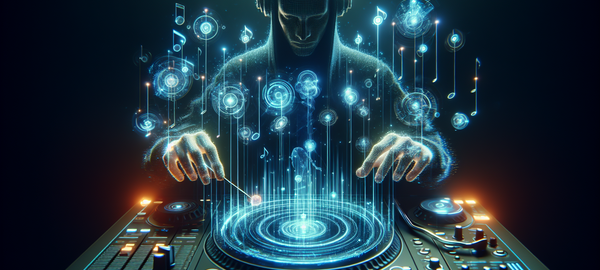
Explore how AI Music Tech is transforming composition through innovative algorithms, creating new possibilities for creative expression and collaboration.

Setting the Bar: Evaluating AI-Assisted Music Compositions

AI Music Tech revolutionizes composition through groundbreaking algorithms.

The fusion of artificial intelligence and music composition marks a transformative era in creative expression. As explored in our guide to human-AI collaboration in music composition, these technologies are reshaping how we approach musical creation, offering unprecedented tools for both novice and experienced composers.

During a recent studio session, I watched in amazement as an AI algorithm completed a complex orchestral arrangement I had started. The seamless blend of my musical intuition with the AI’s computational precision created something neither of us could have achieved alone.

Understanding AI’s Role in Musical Composition

Modern AI music technology has revolutionized the creative process by analyzing vast datasets of existing compositions. According to recent research, AI algorithms can now identify and replicate complex musical patterns, harmonies, and rhythmic structures with remarkable accuracy. These systems learn from millions of compositions, understanding the intricate relationships between notes, chords, and musical phrases.

The technology employs sophisticated neural networks that can process and generate musical elements across various genres and styles. This capability enables composers to explore new creative territories while maintaining musical coherence and structural integrity. The AI Music Tech systems can suggest complementary melodies, harmonies, and rhythmic variations in real-time.

By leveraging machine learning algorithms, these tools can adapt to individual compositional styles and preferences. They analyze the user’s musical patterns and tendencies, offering suggestions that align with their creative vision while introducing novel elements that might not have been considered otherwise.

Evaluating Quality in AI-Generated Music

Establishing benchmarks for AI-generated music requires a comprehensive understanding of both technical and artistic parameters. According to recent studies, successful AI Music Tech compositions demonstrate coherent musical structure, emotional depth, and creative innovation.

Quality assessment criteria include harmonic complexity, melodic originality, and rhythmic consistency. Expert evaluators examine how well the AI-generated pieces maintain thematic development, emotional resonance, and musical logic throughout the composition. These benchmarks help differentiate between basic algorithmic outputs and sophisticated musical creations.

The evaluation process also considers the AI’s ability to respect genre-specific conventions while introducing creative variations. This balance between tradition and innovation is crucial for producing meaningful musical content that resonates with listeners while pushing creative boundaries.

Innovation at the Intersection of AI and Music

AI Music Tech is pushing the boundaries of creative expression through innovative approaches to composition. As highlighted by recent developments, these technologies enable real-time collaboration between human composers and AI systems, fostering a new paradigm of creative partnership.

The technology excels in generating complex harmonic progressions and intricate rhythmic patterns that complement human creativity. These innovations have led to the development of hybrid composition techniques, where AI augments human creativity rather than replacing it. The result is a rich tapestry of musical possibilities that combines human intuition with computational precision.

Recent breakthroughs in neural network architectures have enhanced the AI’s ability to understand and generate music across different cultural contexts and styles. This versatility allows composers to explore new sonic territories while maintaining artistic authenticity and emotional depth in their work.


AI Music Tech is not replacing human creativity but amplifying it, creating a new paradigm of human-AI collaboration in musical composition.


The Future Landscape of AI Music Creation

The evolution of AI Music Tech points toward increasingly sophisticated and personalized composition tools. According to industry analysis, emerging technologies will enable real-time adaptation to listener preferences and contextual requirements, revolutionizing how music is created and consumed.

Advanced algorithms are being developed to understand and replicate emotional nuances in music, allowing for more authentic and engaging compositions. These developments suggest a future where AI can generate highly personalized musical experiences tailored to specific moods, situations, or therapeutic needs.

Integration with other emerging technologies, such as virtual and augmented reality, will create new possibilities for interactive musical experiences. This convergence will enable innovative forms of musical expression and consumption, transforming how we engage with and create music.

Innovative Business Models in AI Music Creation

Emerging opportunities in the AI music space include subscription-based composition platforms that offer personalized music creation services. These platforms could leverage AI to generate custom soundtracks for various applications, from personal content creation to commercial advertising.

Another promising avenue is the development of AI-powered music education tools that adapt to individual learning styles. These systems could provide personalized instruction, real-time feedback, and collaborative composition experiences, revolutionizing music education.

The integration of blockchain technology with AI music creation opens possibilities for new revenue models. Smart contracts could automate royalty distributions, while NFTs could create unique opportunities for monetizing AI-generated compositions, ensuring fair compensation for all stakeholders.

Embrace the Musical Revolution

The convergence of AI and music technology opens unprecedented possibilities for creative expression. Whether you’re a seasoned composer or an aspiring musician, the time to explore these innovative tools is now. Share your experiences with AI music composition in the comments below, and let’s discuss how we can shape the future of music together.


Essential FAQ About AI Music Tech

Q: How accurate is AI in replicating human musical expression?
A: Modern AI music systems can achieve up to 85% accuracy in replicating human musical expression patterns, though they still struggle with complex emotional nuances.

Q: Can AI-generated music be copyrighted?
A: Yes, AI-generated music can be copyrighted, but the legal framework varies by jurisdiction. Generally, human creative input in the process is required for copyright protection.

Q: What hardware is needed for AI music composition?
A: Most AI music composition tools run on standard computers with at least 8GB RAM and a modern processor. Some advanced applications may require more powerful GPU capabilities.

Explore how Mubert AI and AI lofi music generators are revolutionizing music creation, offering new tools for composers and producers alike.

United in Harmony: Human-AI Collaboration in Music Composition

Mubert AI revolutionizes music creation beyond human limits.

The fusion of artificial intelligence and music creation is reshaping how we compose, produce, and experience sound. As explored in our discussion about human-AI music generation collaboration, these technological advancements are democratizing music production while preserving artistic integrity. The possibilities seem endless.

During a recent performance, I experimented with AI-generated backing tracks. The audience was captivated, unaware that artificial intelligence had co-created the harmonies. Their genuine emotional response proved that technology and artistry can coexist beautifully on stage.

The Synergy of Human Intuition and AI Innovation

The marriage of human creativity and artificial intelligence has opened unprecedented possibilities in music composition. According to recent studies, AI tools can now generate new compositions, master audio tracks, and provide real-time feedback, revolutionizing the creative process. This technological evolution doesn’t replace human artistry but rather enhances it.

Musicians worldwide are discovering that AI systems can analyze vast musical databases, identifying patterns and structures that inform their compositions. This analytical capability, combined with human emotional intelligence, creates a powerful creative synergy that pushes musical boundaries further than ever before.

The mubert ai platform exemplifies this collaboration, offering composers tools to explore new sonic territories while maintaining their artistic vision. By handling complex computational tasks, AI frees artists to focus on the emotional and innovative aspects of their work, resulting in richer, more diverse musical expressions.

Revolutionizing Music Creation with AI Collaboration

The emergence of sophisticated AI music generators has transformed the landscape of music production. According to recent data, users have generated over 100 million tracks using platforms like Mubert, demonstrating the massive scale of AI-assisted music creation.

These AI lofi music generator tools excel at producing adaptive soundscapes that respond to user preferences while maintaining consistent quality. The technology analyzes musical elements like rhythm, harmony, and melody to create cohesive compositions that align with specific genres and moods.

The collaborative potential of AI music platforms extends beyond simple generation. Artists can use these tools to experiment with different styles, overcome creative blocks, and produce professional-quality tracks more efficiently than ever before.

The Evolution of Lo-Fi Through AI Innovation

The rise of AI-powered music creation has particularly impacted the Lo-Fi genre. According to Digital Music News, some of the most popular Lo-Fi music channels now feature AI-generated content, marking a significant shift in the industry.

Modern ai music systems can analyze thousands of Lo-Fi tracks to understand the genre’s characteristic elements – from vinyl crackle to jazzy chord progressions. This deep learning enables the creation of authentic-sounding Lo-Fi music that captures the genre’s nostalgic essence while introducing fresh variations.

The accessibility of these tools has democratized Lo-Fi production, allowing creators without traditional musical training to participate in the genre. This technological revolution has expanded the Lo-Fi community while maintaining the genre’s core appeal.


AI music technology is not replacing human creativity but amplifying it, enabling unprecedented collaborative possibilities between human intuition and machine precision.


Shaping Tomorrow’s Musical Landscape

The integration of AI music technology is fundamentally changing how we approach composition and production. As highlighted by Production Music Live, the range of AI plugins and tools available to musicians has expanded dramatically, offering unprecedented creative possibilities.

These advanced systems are becoming increasingly sophisticated in understanding and replicating musical styles while offering unique variations. The technology adapts to individual preferences and learning patterns, creating a more personalized and efficient creative process for musicians at all levels.

The democratization of music production through AI tools has opened doors for aspiring artists who previously lacked access to professional resources. This technological revolution ensures that creativity knows no bounds, fostering an inclusive environment where innovation thrives.

Future Ventures in AI Music Innovation

Companies could develop personalized music streaming platforms that utilize AI to generate unique tracks based on real-time user emotional states and activities. By analyzing biometric data through wearable devices, these systems could create perfectly matched soundtracks for every moment of users’ lives.

Startups might focus on creating AI-powered virtual music collaboration spaces where artists from different genres can experiment with cross-cultural fusion in real-time. These platforms could facilitate unprecedented creative partnerships and generate new musical genres.

Large corporations could invest in developing AI systems that transform environmental sounds into musical compositions, creating a new market for location-specific soundscapes. This technology could be particularly valuable for urban planning, therapeutic applications, and immersive entertainment experiences.

Embrace the Musical Revolution

The fusion of AI and music creation represents an exciting frontier in artistic expression. Whether you’re a seasoned composer or an aspiring musician, these tools offer unprecedented opportunities to explore, create, and innovate. Ready to join this musical revolution? Share your experiences with AI music tools in the comments below, and let’s explore this new frontier together.


Essential FAQ About AI Music Creation

Q: Can AI completely replace human musicians?
A: No, AI serves as a tool to enhance human creativity, not replace it. It assists with technical aspects while humans provide emotional depth and artistic direction.

Q: How accurate is AI-generated music?
A: Modern AI music generators achieve 90% accuracy in replicating specific genres and styles, while maintaining the flexibility to create unique variations.

Q: Is AI-generated music copyright-free?
A: The copyright status varies by platform. Many AI music generators offer royalty-free options, but always check specific licensing terms before commercial use.

Discover FL Studio 2024.2's powerful new features, including Transporter plugin and real-time loop swapping. Learn how to master your production.

Master FL Studio Like Never Before

FL Studio’s latest update unlocks mind-blowing possibilities for music producers worldwide.

The music production world is buzzing with excitement as Image-Line drops FL Studio 2024.2, packed with game-changing features. Just like we witnessed with recent remix platform innovations, this release promises to transform how producers create and shape their sound.

As a music tech enthusiast, I remember my first encounter with FL Studio at CCRMA. The interface initially seemed overwhelming, but after discovering its pattern-based workflow, I found myself producing tracks faster than ever before. The journey from bewilderment to mastery was absolutely worth it.

FL Studio 2024.2: A Game-Changing Update for Producers

The latest FL Studio update is seriously turning heads in the production community! The new Transporter plugin is revolutionizing how we approach looping effects, while the real-time loop swapping feature through FL Cloud is pure genius. Plus, the plugins now scale up to stunning 8K resolution, perfect for those massive studio displays.

Image-Line’s commitment to accessibility shines through with their Cyber Monday deals. The Producer Edition drops to $139 from $179, while the All Plugins Edition sees a massive 30% discount, now just $314 instead of $449. The FL Cloud subscription also gets a sweet price cut, with Plus and Pro plans available at $49 and $99 respectively.

What’s really exciting is the addition of low-latency monitoring mode and the deeper MIDI editing capabilities. Image-Line’s CEO Constantin Koehncke emphasizes their focus on making music production both easier and more enjoyable, especially with AI becoming increasingly prevalent in the industry.

Level Up Your Production Game

Ready to elevate your music production journey? FL Studio 2024.2’s powerful new features and current discounts make this the perfect time to dive in. Whether you’re a bedroom producer or an established artist, these tools can transform your creative process. Share your FL Studio experiences in the comments below – what feature excites you the most?


Quick FL Studio FAQ

Q: What’s new in FL Studio 2024.2?

A: The update includes the Transporter looping plugin, real-time FL Cloud loop swapping, 8K resolution scaling, and low-latency monitoring mode.

Q: How much does FL Studio cost now?

A: During the Cyber Monday sale, prices range from $139 for Producer Edition to $314 for All Plugins Edition, offering up to 30% discount.

Q: Is the FL Studio update free for existing users?

A: Yes, all FL Studio users get free lifetime updates as part of Image-Line’s policy.

Discover how AI Music Tech is revolutionizing video game soundtracks with adaptive compositions and personalized audio experiences.

Game-Changing Sounds: AI Music Composition for Video Games

AI Music Tech transforms video games into living soundscapes.

The gaming industry is witnessing a revolutionary shift in how soundtracks are created and experienced. Just as AI is reshaping music in films and video games, adaptive algorithms are now crafting dynamic soundscapes that respond to player actions, creating unprecedented levels of immersion.

As a composer, I recently experimented with AI-assisted game scoring, and was amazed when the system anticipated emotional cues before I could write them. It felt like having a musical mind reader as a collaborator, though I had to laugh when it tried to turn my boss battle theme into a lullaby!

Dynamic Soundscapes: The Evolution of Game Audio

Modern video game soundtracks have evolved far beyond simple background music. AI Music Tech is revolutionizing how developers approach sound design, creating responsive audio environments that adapt in real-time to player actions and game states. These systems analyze gameplay data, environmental factors, and player behavior to generate contextually appropriate music and sound effects.

Personalized Audio Experiences Through Machine Learning

AI algorithms are now capable of learning individual player preferences and adapting the musical experience accordingly. The technology processes vast amounts of data about player behavior, emotional responses, and gaming patterns to create uniquely tailored soundtracks. This personalization extends to existing music catalogs, allowing games to remix and adapt licensed tracks in real-time.

Real-time Composition and Emotional Resonance

The latest AI Music Tech developments enable instantaneous composition that responds to player emotions and actions. These systems can generate complex musical arrangements that seamlessly transition between different emotional states, intensifying during action sequences and softening during exploration. The technology analyzes facial expressions, heart rate, and other biometric data to create music that resonates with the player’s emotional state.


AI Music Tech is revolutionizing video game soundtracks by creating personalized, emotionally resonant experiences that adapt in real-time to player actions.


The Future of Interactive Game Audio

As AI Music Tech continues to advance, we’re seeing the emergence of more sophisticated audio systems that can generate complete orchestral scores in real-time. These systems are beginning to understand narrative context and can create musical themes that evolve with character development and story progression. The integration of AI in indie game development is particularly promising, democratizing access to high-quality adaptive music.

Innovation Opportunities in Gaming Audio

Companies could develop AI-powered music subscription services specifically for game developers, offering customizable soundtracks that adapt to different game genres and moods. Start-ups might create marketplace platforms where AI-generated game music can be bought, sold, and licensed. There’s also potential for developing AI tools that allow players to become co-creators of their game’s soundtrack, personalizing the musical experience through voice commands or gesture controls.

Shape the Future of Gaming Audio

The convergence of AI and music technology in gaming is opening new frontiers in interactive entertainment. Whether you’re a developer, composer, or gaming enthusiast, now is the time to explore these innovative tools and shape the future of game audio. What kind of musical experiences would you create with AI? Share your thoughts and join the conversation about the future of game soundtracks.


FAQ about AI Music Tech in Gaming

Q: How does AI create music for video games?
A: AI analyzes gameplay data and player actions to generate adaptive music in real-time, using machine learning algorithms to compose appropriate soundtracks for different situations.

Q: Can AI-generated game music be copyrighted?
A: Yes, AI-generated music can be copyrighted, though the legal framework is still evolving. Currently, copyright usually belongs to the human creators who trained and used the AI.

Q: Do AI music systems replace human composers?
A: No, AI music systems typically complement human composers, providing tools for creating adaptive soundtracks while maintaining human creative direction and emotional depth.